
Peak hair restoration · Insights
Hair Transplant Options: Complete 2026 Guide
Discover all hair transplant options available in 2026, from FUE and DHI to PRP therapy. Learn which technique fits your needs and budget.
Hair loss affects many Americans every year, prompting many to explore hair transplant options that can restore both their hairline and confidence. Modern hair restoration has evolved over the past decade, offering a range of surgical and non-surgical solutions tailored to individual needs and hair loss patterns. Whether you're experiencing early-stage thinning or advanced male pattern baldness, understanding the full spectrum of available treatments helps you make an informed decision about your restoration journey.
Understanding Modern Hair Restoration Techniques
The landscape of hair transplant options has expanded beyond the outdated "hair plug" procedures of decades past. Today's techniques aim for natural-looking results and careful donor management. Outcomes, scarring and recovery vary, and untreated hair can continue to thin.
Follicular Unit Extraction (FUE)
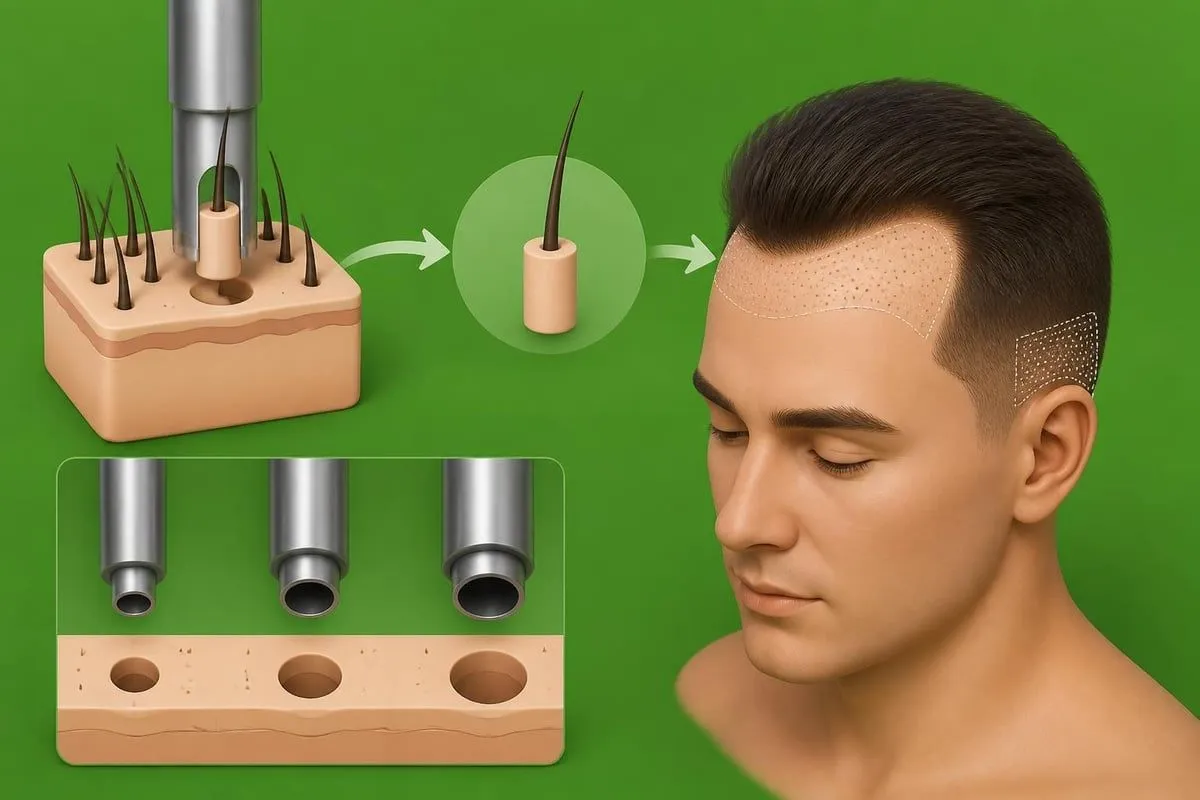
FUE procedures are a widely used approach in modern hair transplantation. This technique involves extracting individual follicular units directly from the donor area, typically the back and sides of the scalp, using precision punches.
Key features of FUE include:
- No linear donor scar, unlike strip methods; small extraction scars can remain
- Individual follicular-unit harvesting
- A recovery plan tailored to the procedure and patient
- Graft placement planned for angle and direction
- Surgical risks that should be discussed before treatment
The American Academy of Dermatology explains that suitable candidates need sufficient healthy donor hair. Most patients see results six to nine months after surgery, while some take twelve months. Return-to-work and recovery advice should come from your treating clinician.
Sapphire FUE: Recipient-Site Instruments
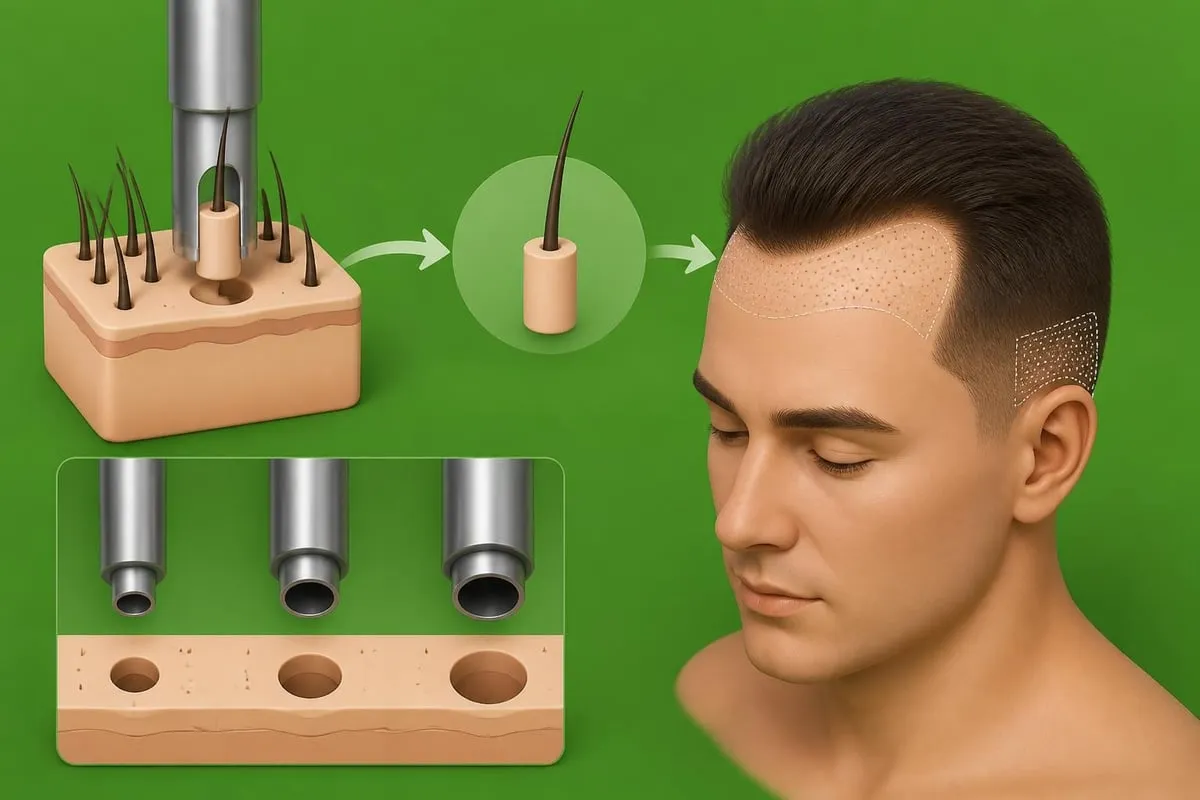
Among hair transplant options, Sapphire FUE uses blades crafted from sapphire rather than steel for recipient-site creation. The Sapphire FUE hair transplant technique changes the instrument used for this stage; the material alone does not establish faster healing or a better outcome.
| Traditional FUE | Sapphire FUE |
|---|---|
| Steel blade incisions | Sapphire blade incisions |
| Healing varies by patient and procedure | Healing varies by patient and procedure |
| Density depends on donor supply and placement | Density depends on donor supply and placement |
| Extraction scars can remain | Extraction scars can remain |
Infection risk, tissue healing and achievable density depend on multiple clinical factors. Ask the surgeon why the chosen instrument is appropriate for your treatment plan.
Direct Hair Implantation (DHI)
DHI hair transplant procedures utilize an implanter pen to place grafts, often after FUE extraction. Depending on the device and workflow, recipient-site creation and placement may be combined.
The DHI method involves decisions about:
- Handling and placement of grafts outside the scalp
- Implantation angle and direction
- Management of bleeding and other surgical risks
- Whether a partially shaved approach is appropriate
- Hairline refinement and other individual treatment goals
When reviewing surgical techniques research, ask your clinician which evidence supports the specific procedure proposed. DHI should not be assumed to guarantee superior graft survival or aesthetic results.
Non-Surgical Hair Restoration Options
Not every patient requires or prefers surgical intervention. Several non-surgical treatments can be considered as alternatives or additions to transplantation, particularly for selected patients in earlier stages of hair loss. They do not transplant follicles.
Platelet-Rich Plasma (PRP) Therapy
PRP hair restoration uses the body's platelet-rich plasma in scalp injections. The procedure involves drawing a small blood sample, processing it to concentrate platelets, and injecting the plasma into areas of thinning or hair loss.
A systematic review and meta-analysis found a possible improvement in hair density compared with saline injections, but rated the evidence as low quality. Treatment protocols varied; the number and spacing of sessions should be discussed individually rather than treated as a universal schedule.
PRP can be discussed for:
- Selected cases of early to moderate hair thinning
- An individual plan alongside other treatments
- Selected cases of female pattern hair loss
- Monitoring of response where a clinician considers it appropriate
The International Society of Hair Restoration Surgery provides patient information on hair-loss treatments. Results vary based on individual factors including diagnosis, hair loss extent and overall health.
Stem Cell Hair Therapy
Among emerging hair restoration approaches, stem-cell-based treatments remain an area of research. Stem cell hair therapy can refer to different products and procedures, including approaches using material derived from adipose tissue; their preparation, evidence and regulatory status are not interchangeable.
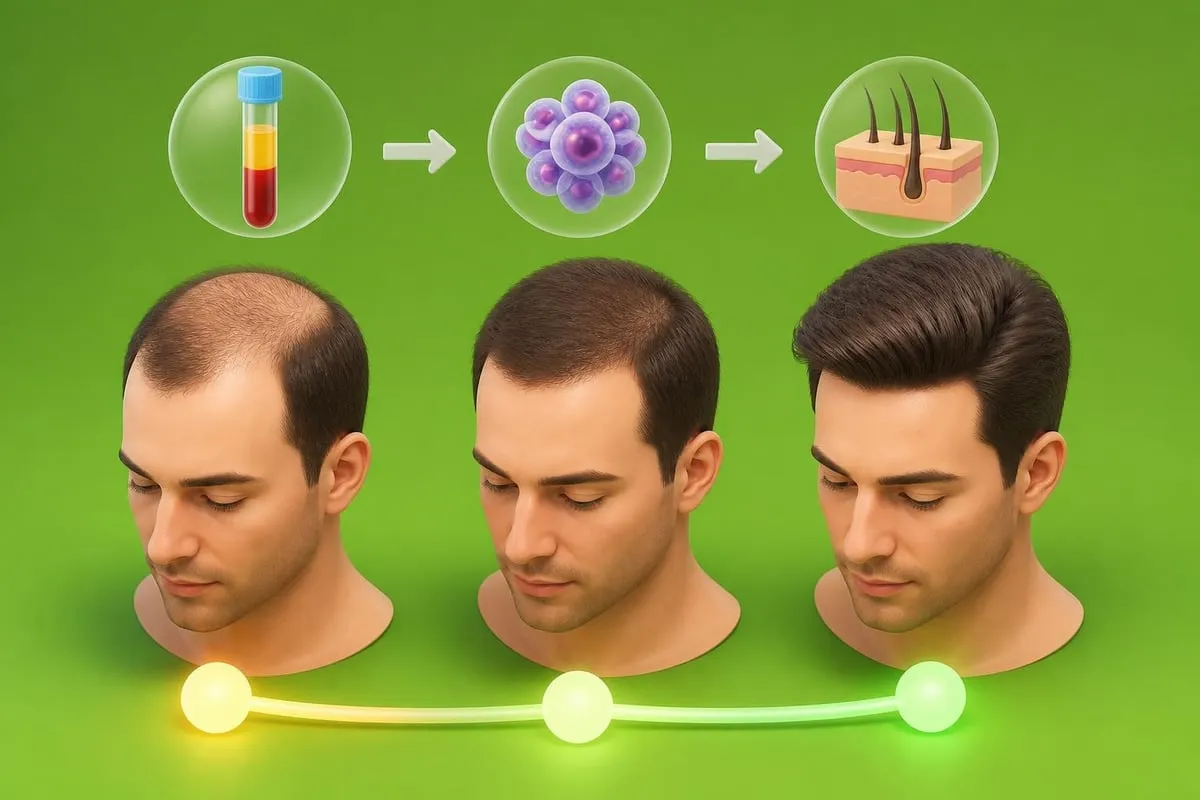
Conceptual illustration, not patient photographs or evidence of treatment results. It does not predict regrowth or a treatment timeline.
While research continues to evolve, ask the provider about:
- The exact product or procedure being proposed
- Evidence of benefit for your diagnosis
- Known risks and alternatives
- The applicable regulatory status and oversight
Some proposed protocols combine regenerative approaches with PRP, but patients should understand that benefits are not guaranteed and the field is still developing.
Choosing the Right Hair Transplant Option
Selecting among available hair transplant options requires careful consideration of multiple factors beyond simple preference. A thorough evaluation with a qualified specialist helps determine the appropriate approach for your unique situation.
Patient Candidacy Assessment
Not every individual qualifies for every procedure. Candidacy evaluation examines:
- Donor hair availability: Adequate donor density in suitable zones
- Hair loss progression: Stabilized loss versus ongoing thinning or shedding
- Scalp characteristics: Factors relevant to harvesting and healing
- Hair characteristics: Texture, color and curl pattern
- Medical history: Conditions that might affect suitability, healing or results
- Realistic expectations: Understanding achievable outcomes
The NHS guidelines on hair transplants emphasize the importance of assessment before proceeding with surgery.
Technique Selection Criteria
Different treatment goals require different plans. Consider these discussion points rather than a universal technique prescription:
| Patient Scenario | Option to Discuss | Reasoning |
|---|---|---|
| Extensive hair loss, adequate donor supply | FUE, Sapphire FUE or another appropriate harvesting method | Coverage must fit safely available donor hair |
| Frontal hairline refinement | Recipient-site design and placement method, including DHI where appropriate | Angle, direction and long-term design matter |
| Early thinning, no bald areas | Diagnosis and non-surgical management | Surgery may not be appropriate |
| Post-transplant follow-up | Individual aftercare and clinical monitoring | Assess healing and growth rather than assuming a benefit from extra treatments |
| Limited donor area | Conservative donor planning | No placement device creates additional donor follicles |
Surgeon Qualifications and Credentials
The skill and experience of your surgeon affect outcomes regardless of which hair transplant options you pursue. ISHRS position statements provide guidance on standards in hair restoration.
Credentials and responsibilities to verify:
- Relevant professional licensing and training
- Experience in hair restoration and with your hair characteristics
- Professional qualifications, independently verified
- Documentation of procedures and outcomes
- Who performs each surgical stage and manages follow-up
When evaluating clinicians, review before-and-after portfolios with attention to cases similar to your own hair type and loss pattern. Selecting a qualified surgeon requires research beyond marketing materials.
Cost Considerations Across Treatment Options
Financial investment varies among hair transplant options, influenced by technique, geographic location, surgeon experience and the extent of restoration needed.
Surgical Procedure Pricing
FUE and DHI procedures may be priced per graft or as a treatment package. Request an individual written quote that explains the proposed graft count, inclusions and follow-up rather than relying on general price ranges.
Factors affecting surgical costs:
- Surgeon expertise and responsibilities
- Facility location and overhead
- Technology and instruments employed
- Session length and complexity
- Anesthesia and support staff requirements
Understanding transplant costs helps set realistic expectations. Ask whether financing is available and review its terms separately from the clinical decision.
Non-Surgical Treatment Investment
PRP and other non-surgical treatments may involve a series of appointments and ongoing maintenance. Obtain an individual quote and confirm the full plan before committing.
While non-surgical options can involve a smaller initial commitment than surgery, repeated treatment affects the total cost. They are not interchangeable with transplantation, and outcomes vary.
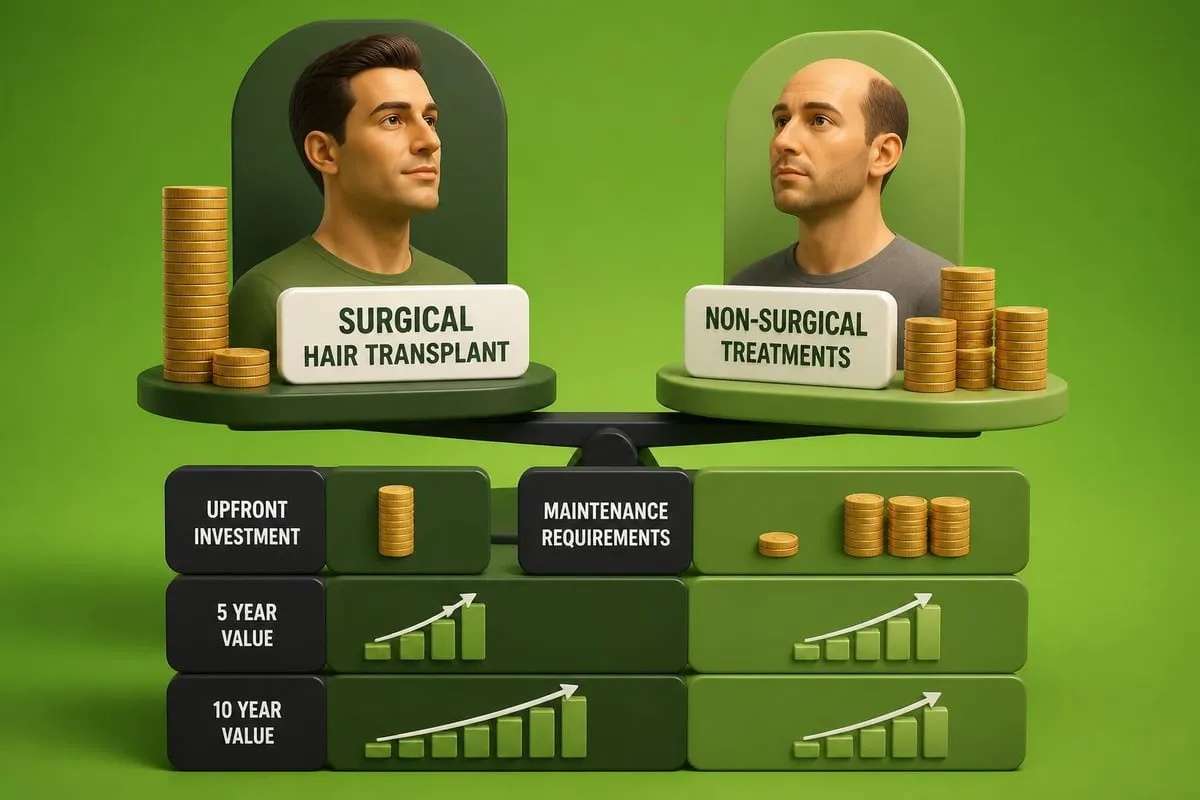
Conceptual illustration only; it does not establish comparative costs, long-term value or expected treatment results.
Geographic Considerations: Local Versus International Treatment
Location affects the logistics and costs of hair restoration. Quality should be assessed from the individual clinical team and care plan, not assumed from the country or city alone.
Advantages of Local Treatment
Receiving care in your home city can provide several benefits:
- Multiple consultation opportunities before commitment
- Convenient access for follow-up appointments
- In-person support if complications arise
- Familiarity with local medical regulations and standards
- Less travel during the recovery period
New York hair transplant clinics offer an option for patients who prefer consultation and follow-up close to home. Verify the specific clinician's credentials and responsibilities.
International Medical Tourism
Some patients explore overseas options, including Turkish facilities. While international treatments may offer different pricing or care arrangements, they present practical considerations:
- Researching and verifying surgeon credentials
- Communication and informed consent
- Addressing complications after returning home
- Applicable regulatory standards and patient protections
- Travel, accommodation and companion costs
Evidence-based reviews can help you understand treatment evidence, but do not replace an individual clinical assessment or a written follow-up plan.
Complementary Treatments and Long-Term Maintenance
Managing results from hair restoration requires understanding the role of additional treatments and ongoing care.
Medical Management
Hair restoration surgery doesn't necessarily halt genetic hair loss in non-transplanted areas. Depending on diagnosis and medical history, a clinician may discuss medical management alongside surgery:
- Finasteride: A prescription medicine that reduces DHT production; suitability and side effects require clinical discussion
- Minoxidil: A treatment used for selected forms of hair loss
- Low-Level Laser Therapy: Some devices are FDA-cleared for specific hair-loss uses; check the particular device and indication
- Scalp care: Recommendations based on your scalp condition
Do not start, stop or change prescribed treatment based on this article.
Post-Procedure Care
Follow the post-operative care guidelines provided by your surgeon. Recovery instructions should be tailored to your procedure and may cover:
- Sleeping position and swelling management
- Sun exposure
- Washing during the healing period
- Exercise and other activity restrictions
- Prescribed medication instructions
If PRP or another additional treatment is proposed after surgery, ask about the evidence, risks and purpose. Improved graft survival or faster visible results should not be assumed.
Specialized Applications and Unique Considerations
Hair transplant options extend beyond typical male pattern baldness treatment, addressing different patient needs and restoration goals.
Ethnic Hair Restoration
Different hair types require adapted techniques. Afro-textured hair transplantation requires consideration of curved follicles and hair characteristics. Surgeons should explain the extraction and placement plan and their experience with the relevant hair type.
Facial Hair Transplantation
Beard transplants can be considered by patients seeking fuller facial hair or selected scar coverage. The procedure adapts harvesting and placement techniques, often using scalp hair grafts. Suitability, expected coverage and maintenance should be discussed individually.
Female Hair Restoration
Women may experience diffuse thinning rather than distinct bald patches. Treatment planning should address the diagnosis and any relevant hormonal, medical or nutritional factors before selecting surgical or non-surgical care.
Selecting among the various hair transplant options available in 2026 represents a significant decision that impacts both your appearance and confidence. Understanding the distinctions between surgical techniques like FUE and DHI, as well as non-surgical options including PRP and investigational regenerative approaches, helps you make choices aligned with your goals. If you're ready to explore which approach fits your situation, Peak Hair Restoration offers consultations with clinicians who can evaluate candidacy and discuss a personalized treatment plan.
This article provides general education, not an individual diagnosis or treatment recommendation. Illustrations are conceptual and are not patient before-and-after photographs.